
Diabetic Foot Care Advice for Everyday Protection
Why Foot Care Deserves Your Attention
If you live with diabetes, your feet ask for very little and give back a great deal. Two conditions tend to develop quietly over the years: peripheral neuropathy, where nerve sensation in the feet becomes reduced, and peripheral arterial disease, where circulation to the legs and feet slows down. Together, they mean a small problem — a blister, a cracked heel, a stone in your shoe — can go unnoticed and heal slowly. Most serious foot complications begin exactly this way, which is why everyday prevention is so powerful.
The reassuring news is that a few minutes of care each day, footwear chosen thoughtfully and regular professional reviews dramatically lower your risk. Think of it less as a chore and more as a simple routine that protects your independence.
The Daily Two-Minute Check
Look at your feet every single day, ideally in the evening. Sit somewhere with good light and use a mirror, or the camera on your phone, to see the soles and between your toes. If your eyesight or mobility makes this tricky, ask a partner, family member or carer to help — this is not something to be embarrassed about.
As you check, look and feel for:
- Cuts, grazes, blisters or any break in the skin
- Redness, warmth, swelling or new areas of tenderness
- Hard skin, corns, calluses or cracked, dry patches
- Ingrown toenails, thickened nails or changes in colour
- Pins and needles, burning, numbness or sharp night-time pains
- Any difference in temperature between one foot and the other
Reduced sensation means you cannot rely on pain as a warning sign, so your eyes become your early warning system. If something does not look right, treat it seriously rather than waiting to see whether it settles.
Washing, Drying and Nail Care Done Well
Wash your feet daily in lukewarm water — test the temperature with your elbow or wrist, never with your foot. Keep soaks short and avoid hot water bottles, electric blankets directly on the feet and foot spas, as reduced sensation makes burns surprisingly easy.
Dry thoroughly, particularly between the toes, where damp skin encourages fungal infection and softening. Apply a simple moisturising cream or emollient to dry areas such as heels, but avoid the spaces between the toes. Well-hydrated skin stays flexible and is far less likely to split.
For nails, cut straight across with clean clippers and smooth any sharp edges with a file. Do not cut down the sides or dig at the corners. If your nails are thickened, curved or difficult to reach, leave them to a podiatrist. Never use medicated corn plasters, blades or home remedies on hard skin — these can burn or cut skin that you cannot feel.
Footwear That Protects Rather Than Punishes
Good shoes are the single most effective piece of protection you own. Shop in the afternoon or evening, when feet are at their largest, and fit to the larger foot. Look for a rounded, deep toe box with roughly a thumb's width of space beyond your longest toe, a firm heel counter and laces or adjustable straps for a secure fit.
- Avoid slip-on styles, thin-soled plimsolls, flip-flops and tight boots
- Break in new shoes gradually, a short while at a time
- Shake out and feel inside shoes before putting them on, every time
- Never walk barefoot, even indoors — wear slippers or house shoes with a firm sole
- Check your feet after taking shoes off, looking for new redness or rubbing
If you have significant neuropathy, deformity or a previous ulcer, ask your clinician about specialist footwear or insoles, which can be prescribed on the NHS in many areas.
Socks, Warmth and Everyday Habits
Choose seamless, moisture-wicking socks in a cotton or wool blend, with a loose but supportive top that does not leave a mark on your skin. Change them daily, and avoid darned or wrinkled socks that create pressure points. In cold weather, keep feet warm with socks and well-fitting slippers rather than direct heat.
Keeping blood glucose, blood pressure and cholesterol within your target range protects the small blood vessels and nerves that serve your feet. If you smoke, stopping is one of the most valuable things you can do for your circulation. Staying active, checking your feet when travelling and never ignoring a new mark all add up.
Podiatry Reviews and When to Seek Help Quickly
Everyone with diabetes should have an annual foot check as part of their diabetes review, where sensation, pulses and skin are assessed. If you have neuropathy, poor circulation, previous ulcers or foot shape changes, a podiatrist will usually recommend appointments every three to six months, or more often if needed. Regular professional care removes hard skin safely, manages nails and catches problems early.
Contact your podiatrist, GP or urgent care service the same day if you notice:
- A new break in the skin that is not healing
- Redness, swelling, heat, discharge or an unpleasant smell
- Any black, blue or dusky area
- Sudden pain, or a loss of feeling you have not had before
While you wait, keep weight off the area, keep the foot covered and clean, and do not attempt to cut away hard skin or pierce a blister yourself. Prompt action is what turns a minor worry into a minor worry. With consistent daily checks, sensible footwear and routine podiatry, your feet can stay comfortable, healthy and firmly under your care for years to come.


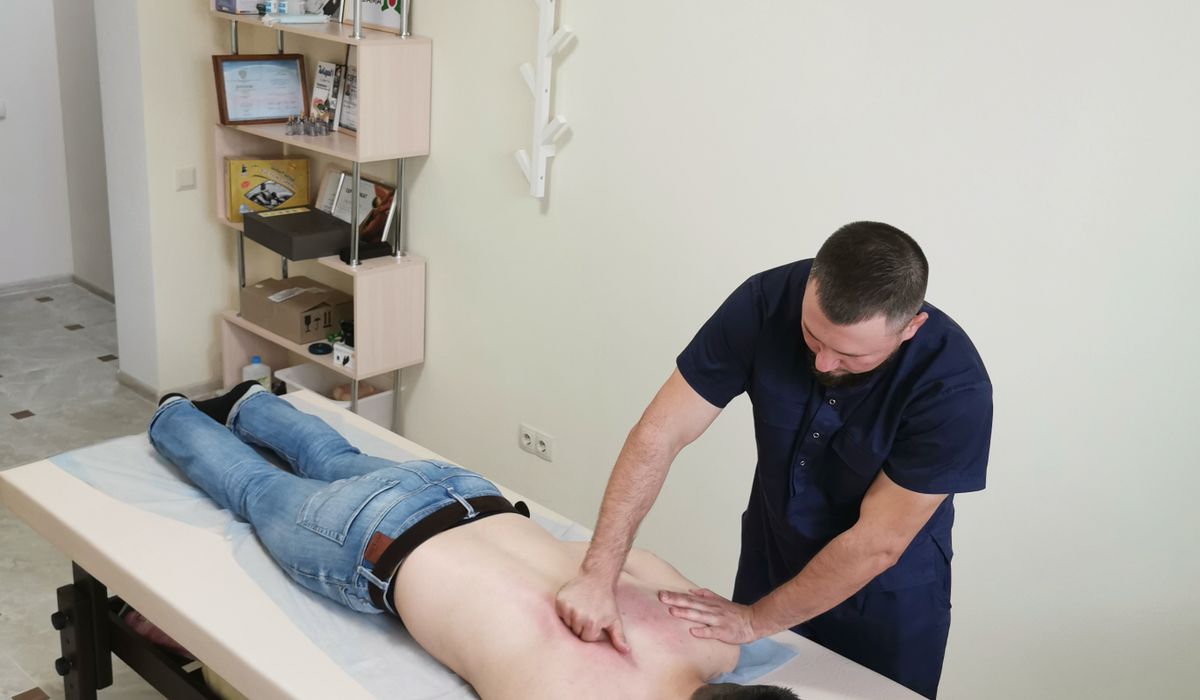
Sports massage combines stretching, compression and trigger point work to aid recovery and prepare muscles for demanding activity.
Regular therapeutic massage can lower stress hormones, ease muscle tension and support a more restful night's sleep naturally.
Some patients find acupuncture reduces migraine frequency and intensity, though evidence varies and treatment should complement medical advice.
A balanced look at clinical studies exploring acupuncture as a supportive therapy for knee osteoarthritis pain and stiffness.