
Benefits of Deep Tissue Massage for Chronic Pain
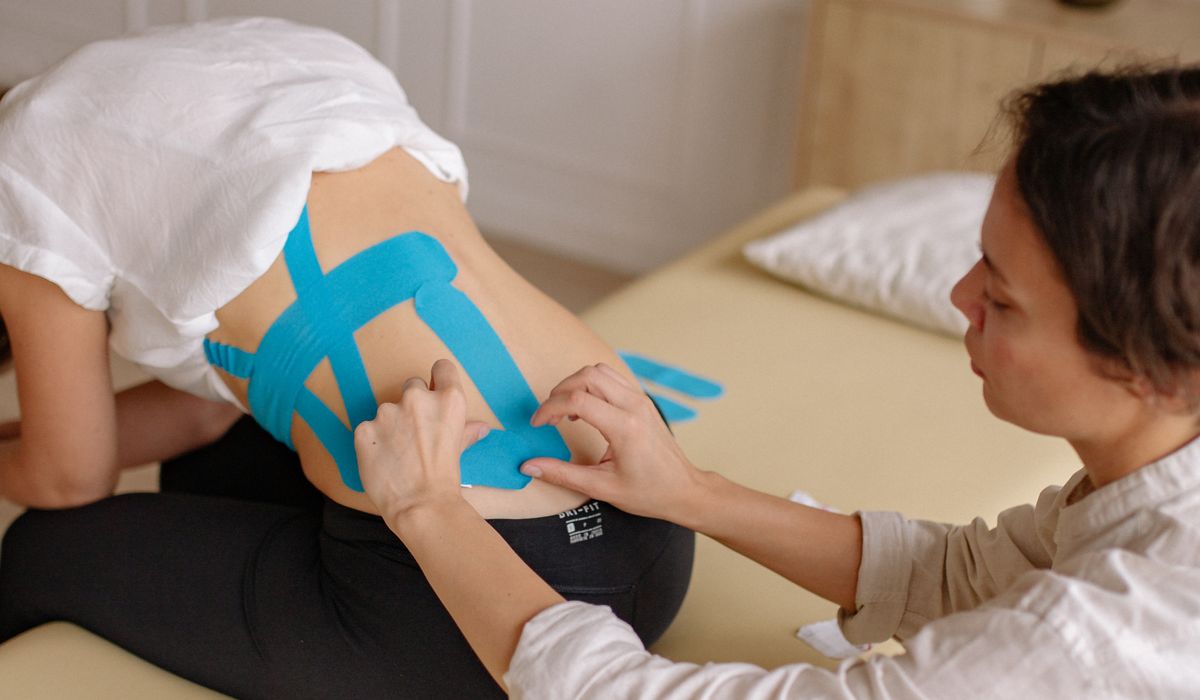
What Deep Tissue Massage Actually Does
If you have been living with an aching lower back, a stiff shoulder that never quite loosens, or a hip that complains every time you stand up, you have probably tried a few things already. Perhaps a hot bath, some stretches from the internet, or a general relaxation massage that felt lovely for an afternoon but changed nothing by the next morning. Deep tissue massage is a different proposition, and it is worth understanding why.
Deep tissue work uses slower strokes and sustained pressure to reach the deeper layers of muscle and the connective tissue known as fascia. Rather than gliding lightly across the surface, your therapist works into specific areas, often holding pressure for 30 to 90 seconds until the tissue begins to release. It is not simply "harder" massage. The skill lies in reading which structures are contributing to your pain and applying pressure at a depth and pace your body can accept.
The aim is to break down adhesions, the stubborn bands of tissue that form when muscles have been tight, overused, or guarded for a long period. These restrictions can pull joints out of alignment, restrict circulation, and keep pain signals firing long after the original injury has healed.
Why Chronic Pain Responds Differently
Acute pain from a fresh injury is a clear signal: something is damaged, protect it. Chronic pain is messier. After three months or more, the nervous system can become sensitised, muscles learn to stay permanently Guarded, and movement patterns change to avoid discomfort. The result is often a cycle where one tight area creates compensation elsewhere, so the original problem becomes difficult to find.
This is why chronic pain rarely resolves with rest alone. Deep tissue massage interrupts that cycle in several ways at once:
- Reducing muscle guarding so that overworked muscles can finally let go
- Improving local circulation, which brings oxygen and nutrients to tissues that have been starved of them
- Stimulating the parasympathetic nervous system, lowering the stress response that keeps pain amplified
- Restoring fascial glide so that layers of tissue can slide over one another again
Many people notice that pain eases not only in the area treated but in neighbouring regions too. That is usually a sign that a compensation pattern has been addressed rather than just the sore spot.
Common Conditions That Benefit
Deep tissue techniques are particularly useful for musculoskeletal complaints that have lingered. These include:
- Persistent low back pain and sciatic-type discomfort
- Neck and shoulder tension, including tension headaches
- Thoracic outlet symptoms and restricted breathing from a tight chest wall
- Plantar fasciitis and calf tightness
- Recovery from repetitive strain in wrists, forearms, and elbows
- Postural strain from desk work, driving, or manual trades
- Old injuries that never quite returned to full function
It is also valuable for people managing osteoarthritis, fibromyalgia, and long-standing postural issues, though treatment needs to be adapted and paced more gently in these cases.
What to Expect in a Session
A good clinic will begin with a proper assessment rather than putting you straight on the table. Your therapist should ask about your history, how the pain behaves through the day, what makes it better or worse, and what your goals are. They may ask you to move, bend, or rotate so they can see how your body is working.
During treatment, you will feel firm pressure and may experience what therapists call "good pain" — a deep ache that feels like a release rather than a sharp sting. Speak up if anything is genuinely painful. Feedback is not a nuisance; it is how your therapist calibrates the work. Afterwards, the area may feel tender for a day or two, similar to how you feel after a solid workout. Drinking water and gentle movement usually help.
Most people with chronic pain need a course of sessions rather than a one-off. Weekly or fortnightly visits for four to six weeks is a common starting pattern, tapering to maintenance appointments every four to eight weeks once things settle.
Making the Results Last
Massage creates an opportunity; it does not do the whole job on its own. The tissue changes achieved on the table need reinforcing between sessions, or the same patterns will creep back. Practical steps that make a real difference include:
- A short daily routine of mobility work targeting the areas treated
- Adjusting your workstation so your screen and chair support neutral posture
- Breaking up long periods of sitting with movement every 30 to 40 minutes
- Building strength in supporting muscles so the tight ones do not have to work so hard
- Getting enough sleep, since tissue repair mostly happens overnight
Where a clinic offers holistic support, you may also be given breathing exercises, stress management guidance, or nutritional advice. Chronic pain is rarely just a mechanical problem, and addressing sleep, stress, and general health often accelerates progress noticeably.
Choosing a Clinic That Suits You
Look for a practitioner who is qualified, insured, and registered with a recognised professional body. Ask whether they have experience with your particular condition and whether they work alongside other practitioners, such as physiotherapists or osteopaths, when a case needs more than one approach.
Deep tissue massage is not a magic fix, and anyone promising an instant cure for long-term pain should be treated with caution. What it does offer is a genuine, evidence-informed route to less discomfort, better movement, and a body that feels more like your own again. For many people living with persistent aches, that is a significant and welcome shift.


Regular therapeutic massage can lower stress hormones, ease muscle tension and support a more restful night's sleep naturally.
Some patients find acupuncture reduces migraine frequency and intensity, though evidence varies and treatment should complement medical advice.
A balanced look at clinical studies exploring acupuncture as a supportive therapy for knee osteoarthritis pain and stiffness.
Qualified practitioners can offer safe acupuncture for nausea, pelvic pain and anxiety during pregnancy, with appropriate precautions taken.