
Is Chiropractic Treatment Safe for Older Adults
Why Safety Is a Fair Question
If you are in your seventies and someone offers to "click" your neck, a degree of caution is entirely reasonable. Chiropractic treatment is one of the most commonly used approaches for back and neck pain in the UK, and for many older adults it brings genuine relief. But ageing changes bone, joint and soft tissue, and those changes mean the way care is delivered should change too.
The short answer is that chiropractic treatment can be safe and appropriate for older adults, provided it is adapted to the individual, delivered by a practitioner who understands the differences, and preceded by a proper assessment. The longer answer is what this article covers.
What the Evidence and Clinical Experience Suggest
For uncomplicated mechanical back pain and neck pain, gentle spinal treatment is generally well tolerated in older patients. Serious adverse events are rare, and most problems reported after treatment are mild and short-lived: soreness for a day or two, tiredness, or a temporary increase in stiffness before things settle.
The more significant risk in this age group is not the technique itself but the underlying condition being overlooked. Fragile bones, narrowed spinal canals, medication interactions and undiagnosed illness all matter more than whether a joint makes a popping sound. A good practitioner spends more time screening than treating in the first appointment.
Conditions That Call for Extra Caution
Certain diagnoses change the picture, and an honest clinic will tell you so rather than press ahead.
- Osteoporosis or osteopenia — reduced bone density raises the risk of fracture from forceful manipulation, particularly in the thoracic spine and ribs.
- Previous fragility fracture — a wrist, hip or vertebral fracture after a minor fall is a warning sign worth investigating before treatment begins.
- Long-term steroid use — oral corticosteroids can weaken bone significantly, even at modest doses.
- Blood-thinning medication — anticoagulants and antiplatelets increase bruising risk with deep tissue work.
- Inflammatory arthritis — rheumatoid arthritis and similar conditions can affect the upper neck, where stability must be confirmed before any manual work.
- Red flag symptoms — unexplained weight loss, night pain that wakes you, fever, bladder or bowel changes, progressive weakness or numbness in the legs, or a history of cancer. These need medical assessment, not adjustment.
Cervical manipulation has been discussed in relation to rare arterial injury. The evidence for a causal link remains uncertain, but the sensible response is to avoid high-velocity neck thrusts in older patients — and in most clinics, they simply are not used.
How Techniques Are Adapted for Older Patients
Adaptation is not a diluted version of care. It is skilled care aimed at the right target. Common adjustments include:
- Low-amplitude mobilisation rather than forceful thrust techniques, using slow, graded movement to restore joint range.
- Instrument-assisted methods, which deliver a light, rapid impulse without the leverage of a manual thrust.
- Drop-piece tables, where the section of couch gives way slightly beneath you, reducing the force needed.
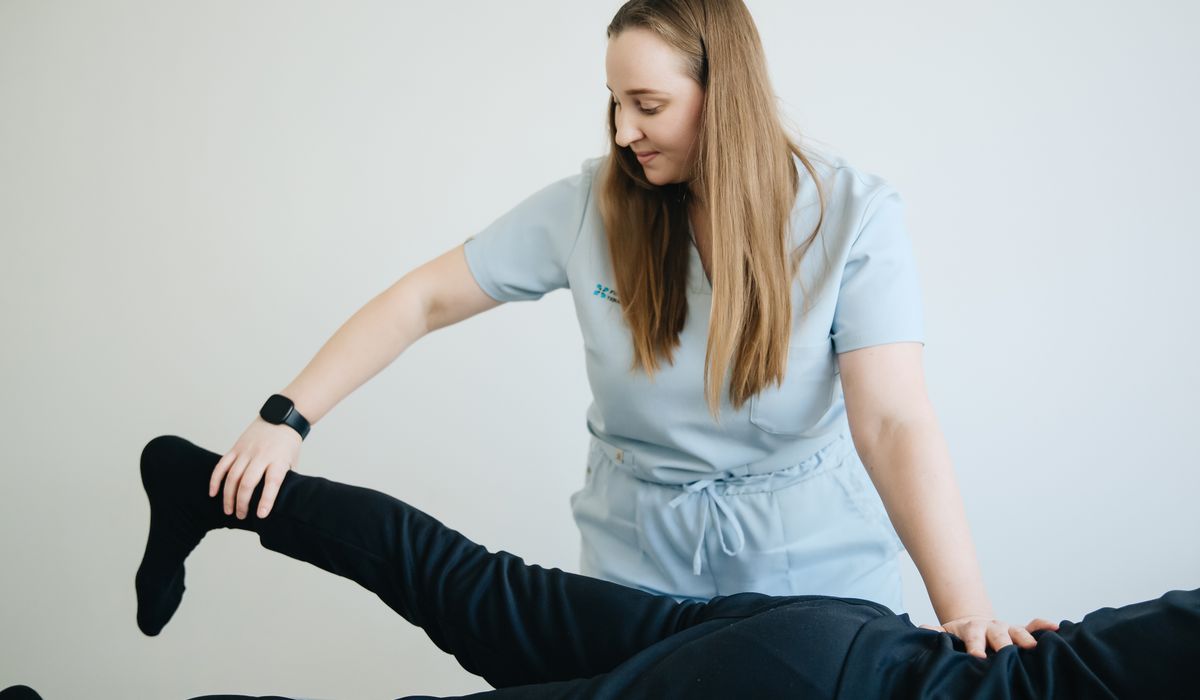
- Positioning aids — side-lying with pillows under the knee, seated treatment, or working with you standing if getting down and up is difficult.
- Soft tissue and stretching work on muscles that have tightened over years of guarding and reduced activity.
- Shorter, gentler sessions, sometimes more frequent at first, to avoid overloading tissues that recover more slowly.
- Heat, breathing and relaxation before any movement-based work, because a nervous system that feels safe responds better.
A holistic clinic will also look beyond the spine: vitamin D status, hydration, sleep, balance, footwear, home hazards and confidence in walking all influence how long pain lasts. Strengthening the hips, ankles and trunk often matters as much as anything done to the back itself.
What a Good First Appointment Looks Like
Expect a detailed history: not just where it hurts, but how long, what makes it better or worse, your falls history, past fractures, medication list and any recent scans. A hands-on examination should follow, including gentle neurological checks, balance and gait assessment, and an appraisal of your general health.
Imaging is requested only when it will change the plan. Many older adults have arthritic changes visible on X-ray that are not the cause of their pain, and treating the image rather than the person leads to unnecessary worry.
You should be told the working diagnosis, what treatment is proposed, the realistic alternatives, and what to expect afterwards. Consent is an ongoing conversation, not a signature at the start. If you feel rushed, or your questions are brushed aside, that is useful information.
Practical Steps to Stay Safe
- Choose a practitioner registered with a recognised UK regulatory body and tell them about every medication and supplement you take.
- Mention any fracture after a minor knock, however long ago.
- Ask what technique is planned and whether a gentler option exists.
- Report any new symptom — dizziness, visual disturbance, severe headache, numbness — immediately, and seek urgent medical help if it occurs suddenly.
- Keep moving between appointments with walking, light strength work and balance practice.
- Review progress after four to six sessions. If nothing is improving, the plan needs revisiting.
Handled thoughtfully, chiropractic and holistic care can help older adults stay active, comfortable and independent. The key is matching the treatment to the person in front of you, not to the diagnosis on a chart.


Supportive footwear with good arch support and cushioning can reduce heel pain and improve comfort throughout the day.
Conservative podiatry care can resolve many ingrown toenails using gentle techniques, reducing the need for more invasive procedures.
Daily checks, proper footwear and regular podiatry reviews help prevent serious complications for people living with diabetes long-term.
Deep tissue work targets tight muscle bands and fascia, offering relief for stubborn aches and improving range of movement.